
Home gyms are evolving fast, and accessories once reserved for hardcore lifters are now showing up in living rooms, garages, and spare bedrooms everywhere. One of the most talked-about tools is gym straps — simple, inexpensive, and surprisingly powerful when it comes to boosting pulling strength. But do you actually need them, or are they just another trendy accessory?
This in-depth guide breaks down everything you need to know, using research-backed info and practical home-fitness experience to help you make the right choice for your routine.
Table of Contents
What Lifting Straps Are and How They Actually Work
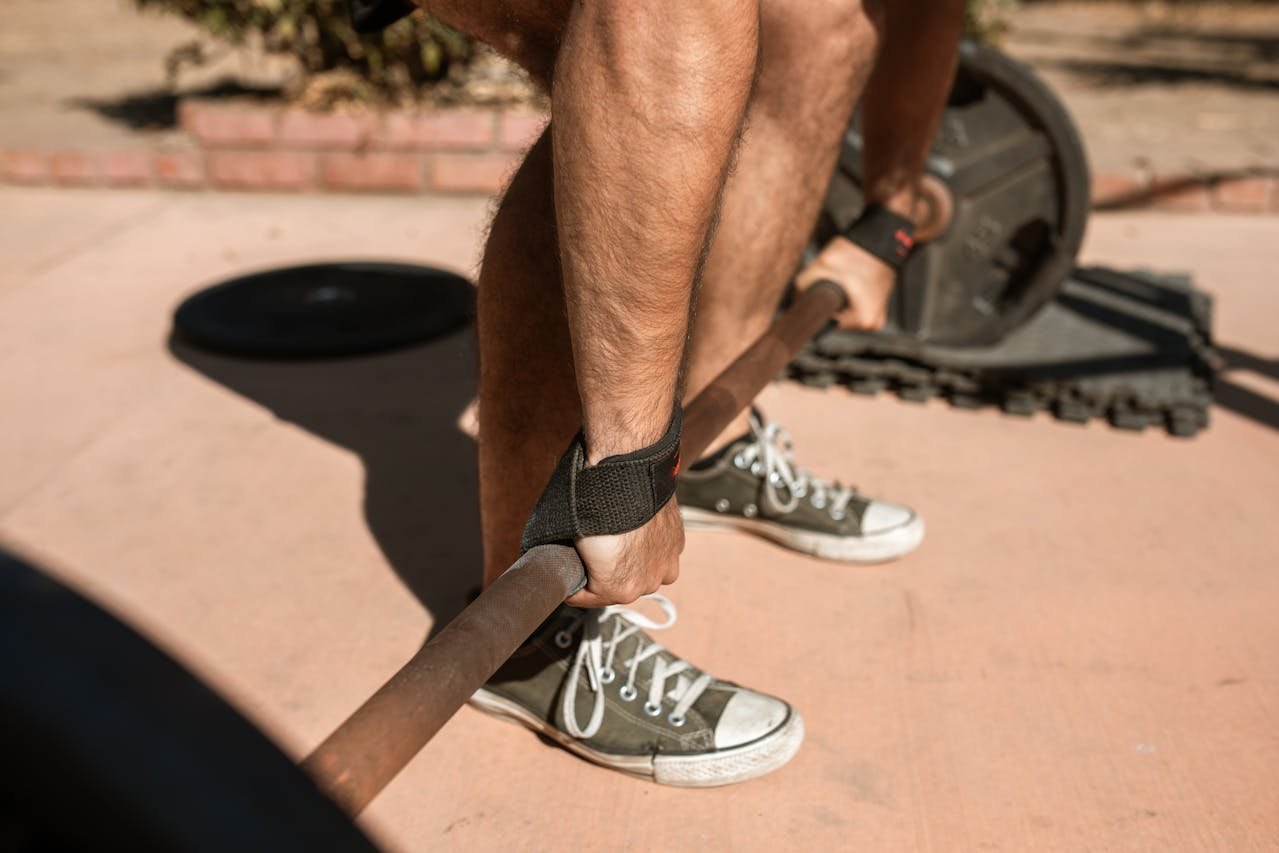
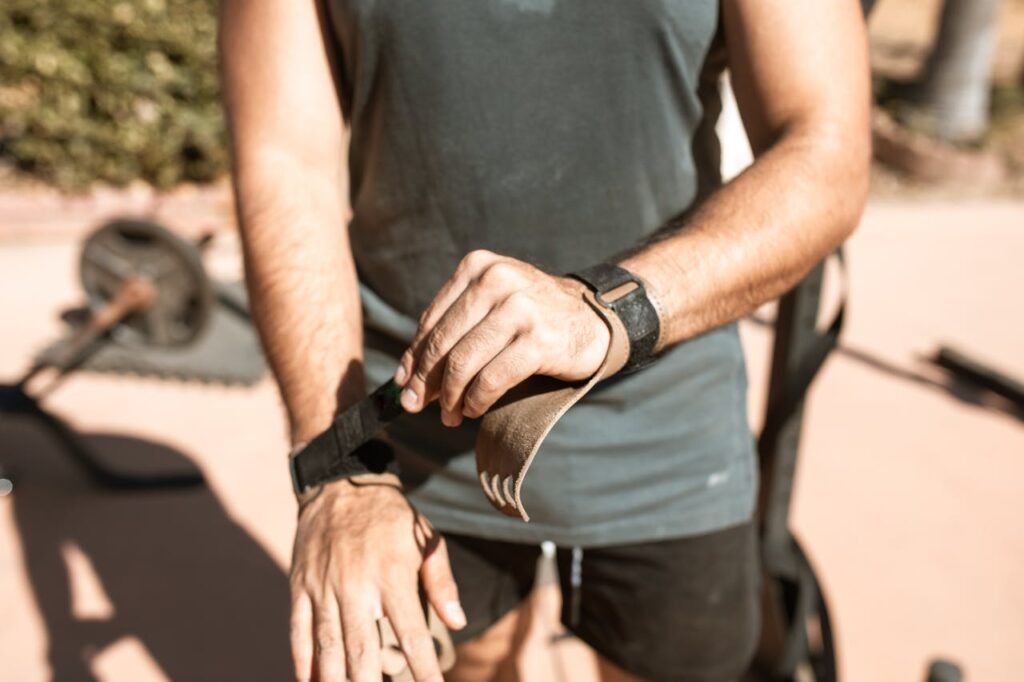
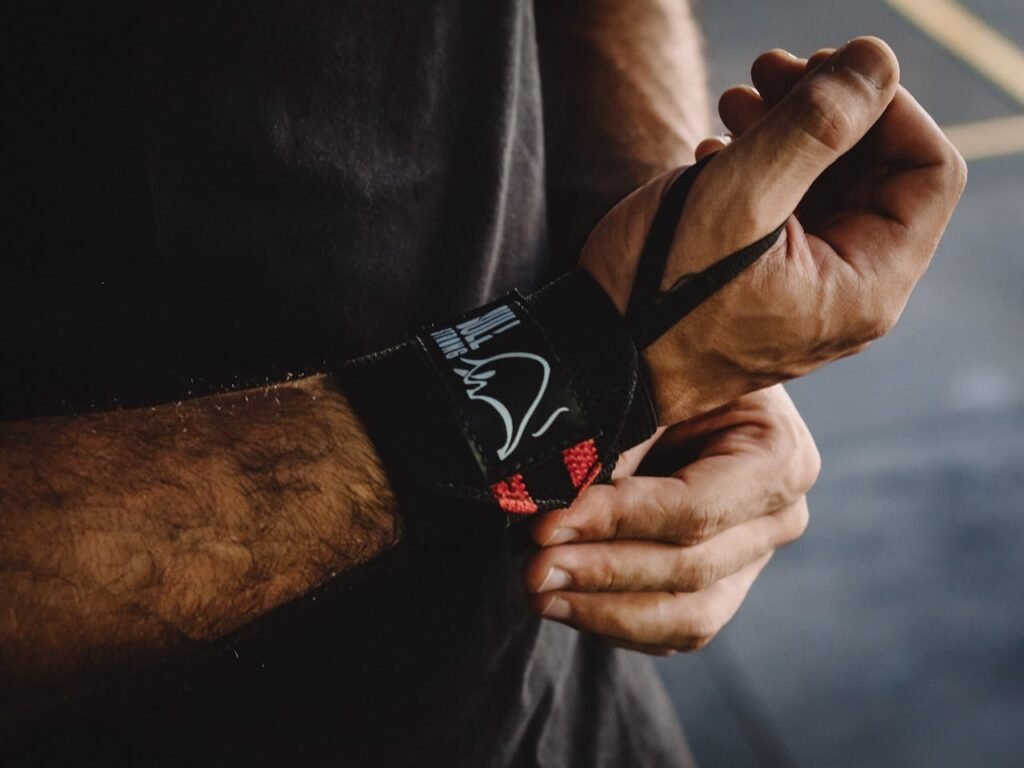
Lifting straps are typically made from durable cotton or nylon and range between 30 and 45 centimeters. They anchor around your wrist and wrap around the bar, creating a secure connection between your hand and the weight.
The purpose is straightforward:
shift some of the load from the fingers to the wrists so your grip doesn’t limit your performance.
For many lifters — especially at home, where equipment variety is limited — grip often fails long before the back, hamstrings, or traps. That’s where straps come in handy, allowing you to focus on the movement instead of worrying about your hands giving out.
A few things straps help accomplish:
- Reduce forearm fatigue
- Improve control in pulling movements
- Allow heavier or higher-volume sets
- Keep technique cleaner during challenging reps
They’re especially popular in strength sports, but more and more home trainees now use them to get more out of their free-weight workouts.
Why So Many Lifters Use gym Straps
Most people start considering straps when they notice their grip giving out too soon. This usually happens during exercises where the target muscles are strong enough for more work, but the hands are not. Instead of cutting a set short, straps help you continue pushing without sacrificing form.
For home lifters, this can be a game changer. Fixed-weight machines aren’t always available in a garage gym, so free weights carry a bigger portion of the workload. That means more strain on the hands, especially during:
- Heavy deadlifts
- High-rep rows
- Pull-ups and chin-ups
- Romanian deadlifts
- Shrugs
If you’ve ever felt your fingers slipping while your back still had energy left, that’s exactly the scenario straps are designed for.
While lifting straps can help you handle heavier weights, it’s important not to neglect your grip strength. Strong grip muscles improve overall performance and reduce reliance on straps. For tips and exercises to build your grip, check out our article: Grip Strength Workouts: Why They Matter and How to Build Yours
What the Research Says About Their Effectiveness
Even though lifting straps are common, surprisingly few studies have explored them. But the existing research is telling.
Deadlifts: the strongest evidence
A well-known study by VS Coswing found that participants lifted significantly more weight in the deadlift when using straps. On average:
- 180 kg with straps
- 151 kg without straps
That’s a huge difference in performance.
The study also found:
- Higher power output
- Higher peak force
- Lower forearm fatigue
- No real difference in total reps at 90% 1RM
Another study from Jukic et al. found that at 80% intensity, straps helped participants move the weight faster and made the set feel easier overall.
Lat pulldowns: minimal improvement
In contrast, research on lat pulldowns didn’t show meaningful boosts in:
- 1RM strength
- Repetitions at moderate intensity
- Muscle activation
This suggests straps don’t help much in movements where grip isn’t the limiting factor.
Pull-ups: clear benefit
One study found that using gym straps led to 17% more reps during pull-ups to failure. That means more total work and more time under tension — both essential for strength and hypertrophy.
Together, these findings show that straps truly shine during heavy or grip-demanding movements, but aren’t necessary for everything.
Do Straps Increase Injury Risk?
A survey of 104 Swedish powerlifters showed that frequent gym strap users reported more knee and thoracic injuries. However, the researchers couldn’t determine whether the straps caused the injuries or whether lifters with injuries chose straps to reduce strain elsewhere.
Since injuries are influenced by many factors — load management, fatigue, technique, recovery — no study has proven that straps increase risk.
For home gym users, the takeaway is practical:
- They’re safe when used correctly
- They shouldn’t replace proper form
- They work best when used strategically, not constantly
When You SHOULD Use Straps in a Home Routine
Gym Straps can transform your training when used at the right time. They’re especially effective when:
The load is heavy enough to challenge your grip long before the target muscle.
Your equipment is limited, meaning you rely heavily on free weights or adjustable dumbbells.
You’re doing high-volume back work, where hand fatigue often hits before the back muscles do.
Your goal is hypertrophy, and you need more time under tension without worrying about grip.
For home lifters doing deadlifts, rows, and pull-ups frequently, straps can help you maximize each session and push past plateaus.
Different Types of Gym Straps
| Type | Description | Best For | Pros | Cons |
|---|
| Lasso Straps | Classic strap you wrap around your wrist and bar. | Deadlifts, rows | Adjustable tightness, durable, great for high reps | Takes practice to wrap quickly |
| Figure-8 Straps | Shaped like an 8, locks hands securely to the bar. | Max deadlift, rack pulls, strongman lifts | Extremely secure, ideal for maximal lifts | No quick release—avoid for lifts where you might need to bail |
| Lifting Hooks | Cuffs with metal hooks that grip the bar for you. | Pull-ups, rows, heavy shrugs | Fast setup, excellent for very heavy sets | Less “connected” feeling to the bar |
Our Top Picks


Disclosure: We may earn a commission from links mentioned in this post, at no extra cost to you. We only recommend products we trust
When You Should NOT Use Straps
Even though gym straps are useful, they shouldn’t be used for every exercise or every session.
Avoid using them when:
- You’re lifting below 70% of your 1RM
- You’re practicing technique or learning a new movement
- You’re trying to build grip strength
- You want your forearms to progress naturally
Like any accessory, overuse can create dependency. The goal is to supplement your training, not replace foundational skills.
Real Home Gym Scenarios Where gym Straps Make a Huge Difference
To help you visualize when straps are actually useful, here are some real-world examples common in home workouts:
1. Heavy Romanian Deadlifts
Your back and hamstrings feel strong, but the bar starts slipping halfway through the set. Straps let you focus on the hinge instead of your grip burning out.
2. High-Rep Dumbbell Rows
Adjustable dumbbells often have thicker handles, making grip fatigue hit early. Straps keep the movement smooth and controlled for more reps.
3. Pull-Up Progression
If you’re working toward higher rep pull-ups or weighted pull-ups, straps help you extend sets without compromising form.
4. Shrugs and Loaded Carries
These movements fry the forearms quickly. Straps help isolate the traps or allow longer holds.
In every case, the straps don’t make the exercise easier — they help you train the right muscles longer and more effectively.
Are Straps Worth It for a Home Gym?
Absolutely. Considering their low cost, durability, and versatility, straps are one of the most cost-effective accessories for any home gym. They store easily, travel easily, and pair perfectly with free weights and cable attachments.
Whether your goal is strength, muscle growth, or higher training volume, investing in a quality pair is a small upgrade that can noticeably improve your performance.
I’ll include affiliate-friendly product recommendations below — you can plug in your links later.
How to Use Straps Properly
Using gym straps the right way ensures safety and stability. The strap should wrap around the bar in the opposite direction of your grip so it tightens automatically when you pull. Once wrapped, rotate the bar slightly to eliminate slack, then brace and lift.
If straps feel uncomfortable, unsafe, or too loose, the wrapping technique may be off. Once mastered, they feel natural and supportive.
Video demonstration Here.
Final Thoughts: A Smart Tool for Smarter Training
Straps aren’t magic — they’re a tool. But when used correctly, they can help you lift heavier, train harder, and keep progressing without grip becoming a constant obstacle.
Research confirms their benefits in heavy pulls and high-rep back work, and for home lifters who rely heavily on free weights, this can make a dramatic difference. Just remember to balance accessory work with grip development and solid technique.
If you’re building a home gym and want to get the most out of your pulling days, adding a reliable pair of gym straps is one of the smartest, most affordable upgrades you can make.